
Flowers and Wellness: Feel Better with Floral Gifts
Ever noticed how receiving a bouquet instantly lifts your mood? Flowers have long been cherished for their beauty, but their benefits go far beyond aesthetics. They’re mood-boosters, stress-relievers, and wellness warriors wrapped in petals. Let’s dive into how gifting or receiving flowers can truly make you feel better, physically and emotionally.
The Science Behind Flowers and Emotional Health
How Flowers Affect Brain Chemistry
Flowers do more than sit pretty on your table. When we see or smell flowers, our brains release dopamine, serotonin, and oxytocin—those “feel-good” chemicals that make us feel loved and happy.
The Role of Color and Scent
Colors like yellow and pink are linked to cheerfulness, while blues and purples can soothe the soul. Scents like lavender and rose calm the nerves, reduce cortisol (the stress hormone), and evoke peaceful feelings.
Flowers as Natural Stress Relievers
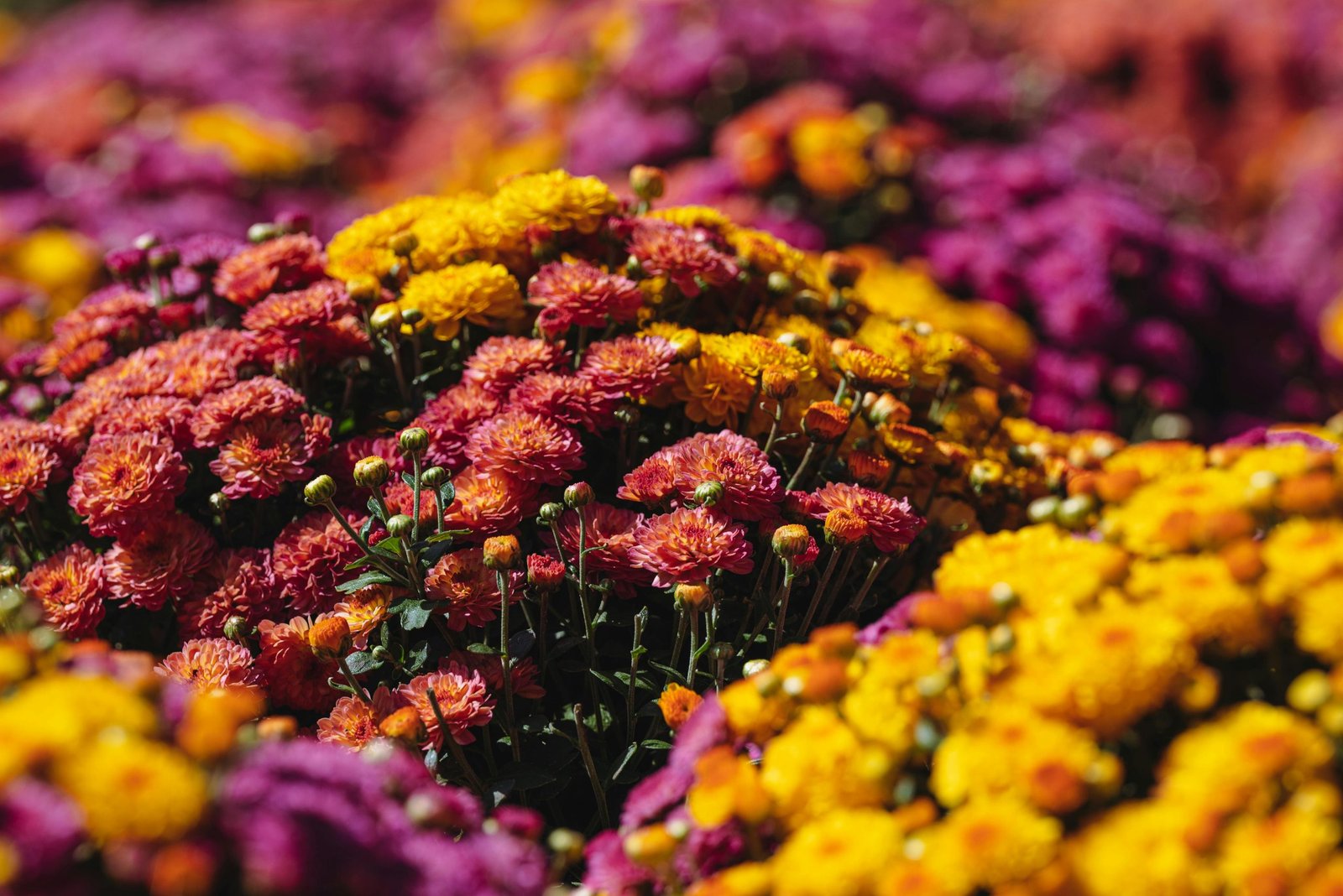
The Calming Effects of Floral Aromatherapy
Ever walked into a garden and just breathed? That’s not just nostalgia—it’s aromatherapy at work. Essential oils from flowers like chamomile, jasmine, and lavender reduce stress levels and enhance mental clarity.
Reducing Anxiety with Nature’s Blooms
A study from Rutgers University found that people who received flowers felt less anxious and more connected to others. Talk about nature being your therapist!
Physical Health Benefits of Being Around Flowers
Lowering Blood Pressure and Heart Rate
Simply having fresh flowers in your space has been shown to reduce blood pressure and calm heart rates. Nature really knows how to take care of us.
Boosting Immunity and Energy
Flowers in your environment can improve sleep, which in turn strengthens immunity. Plus, the joy they spark can literally energize your day!
Popular Flowers and Their Wellness Properties
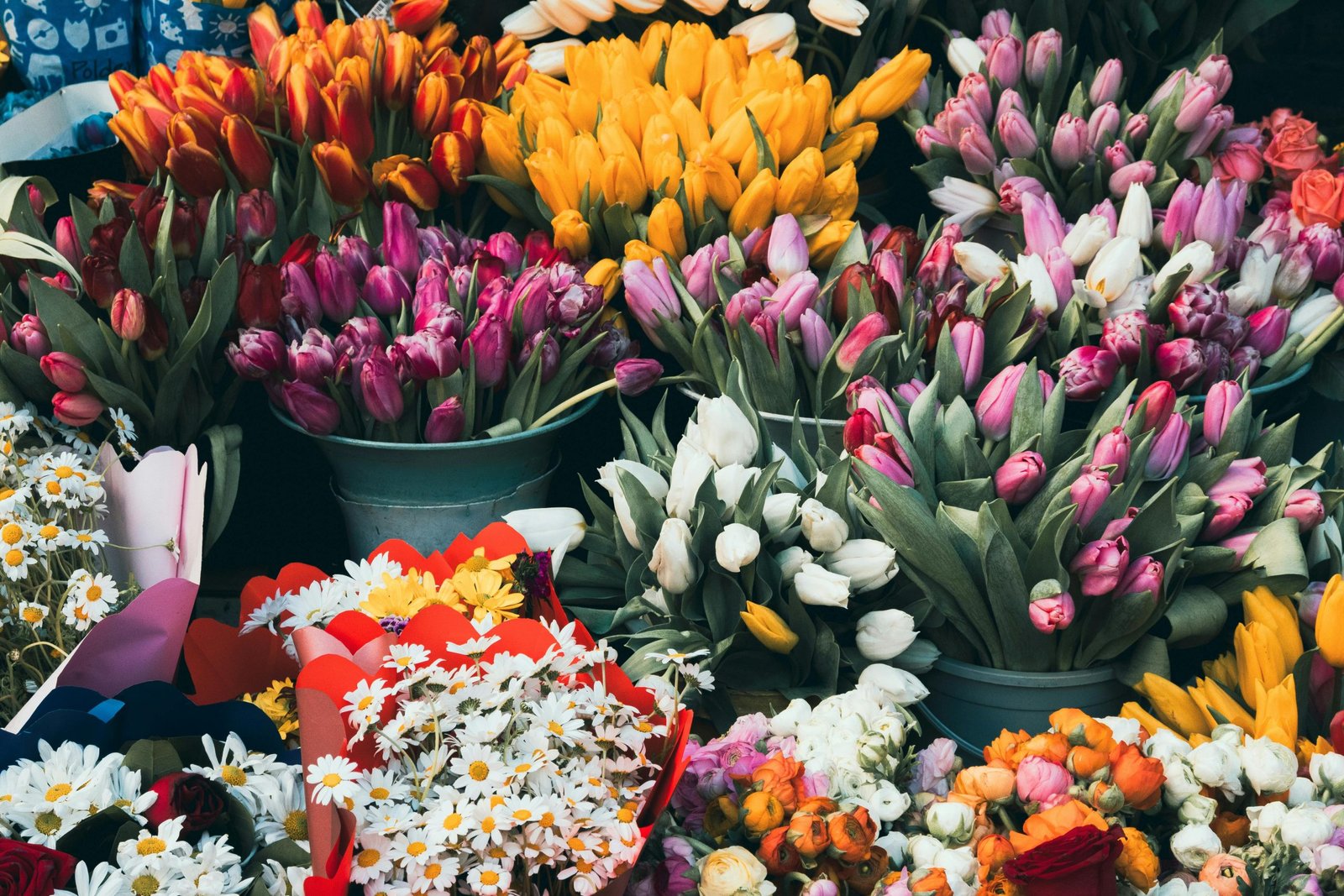
Lavender for Relaxation
Known for its soothing scent, lavender is the go-to flower for relaxation and sleep.
Sunflowers for Positivity
Their bright, bold appearance can’t help but lift your spirits—like a sunny hug!
Roses for Emotional Healing
Different colored roses bring different vibes—red for love, white for peace, and pink for comfort.
Jasmine for Uplifting Mood
This flower helps with anxiety, boosts confidence, and is even used in some antidepressant therapies.
Floral Gifts for Different Wellness Goals
For Stress Relief
Bouquets with lavender, chamomile, and eucalyptus are perfect after a tough day.
For Grief and Healing
White lilies or soft-pink roses can bring comfort during tough emotional times.
For Motivation and Joy
Bright tulips, daisies, or gerberas are like motivational quotes in flower form!
Indoor Flowers and Their Mental Health Benefits
Boosting Focus and Productivity
Peace lilies and orchids aren’t just gorgeous—they help clean indoor air and boost brain function.
Combating Depression and Fatigue
Bright, fragrant flowers can combat Seasonal Affective Disorder (SAD) and elevate energy levels.
Flower Therapy: What is It and How It Works
Introduction to Flower Essence Therapy
This gentle form of healing uses the “essence” or vibrational energy of flowers to promote emotional well-being. It’s like herbal medicine for your emotions.
How to Incorporate It into Daily Life
You can add flower essences to water, apply topically, or even just meditate with them.
Gifting Flowers for Wellness: When and How
Occasions for Wellness-Based Floral Gifts
Birthdays, anniversaries, recovery from illness, or simply “just because” are all perfect opportunities.
Choosing the Right Flowers for the Right Emotion
Think of it like a playlist—each flower has a vibe. Match it to the recipient’s emotional need.
DIY Floral Wellness Ideas
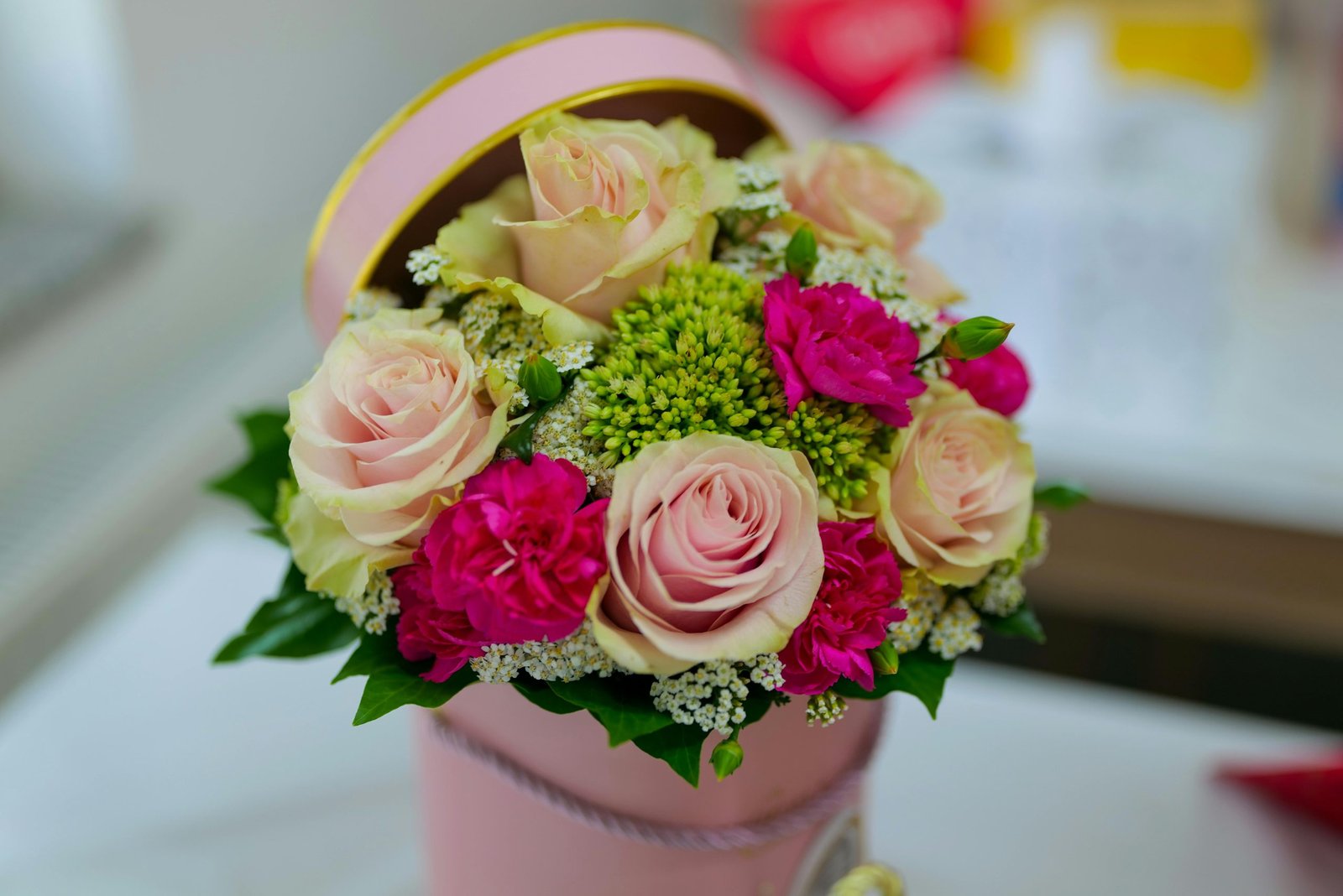
Make Your Own Flower Infused Water
Add edible petals like rose or hibiscus to your water. Not only does it look stunning, but it’s refreshing and soothing.
Create a Personal Flower Meditation Space
Place your favorite blooms where you meditate or journal. They ground you and enhance the vibe.
Flowers and Mindfulness Practices
Floral Arranging as a Meditative Activity
Arranging flower mindfully helps you slow down and appreciate the moment.
Observing Flowers for Grounding Techniques
Notice the petal texture, color gradient, and aroma—it’s a powerful grounding method for anxiety relief.
Children and Flower Wellness
Helping Kids Relax with Blooms
A small bouquet in a child’s room can help with sleep and create a calming bedtime ritual.
Teaching Emotional Expression Through Flower Gifts
Encourage kids to express their feelings by selecting flower for others—it’s empathy in action.
Elderly Wellness and Flower Companionship
Reducing Loneliness in Seniors
A bouquet can be a source of comfort and companionship for elderly people living alone.
Flower-Based Activities for Cognitive Engagement
Simple floral crafts can boost memory, coordination, and mood in older adults.
Corporate Wellness and Office Flowers
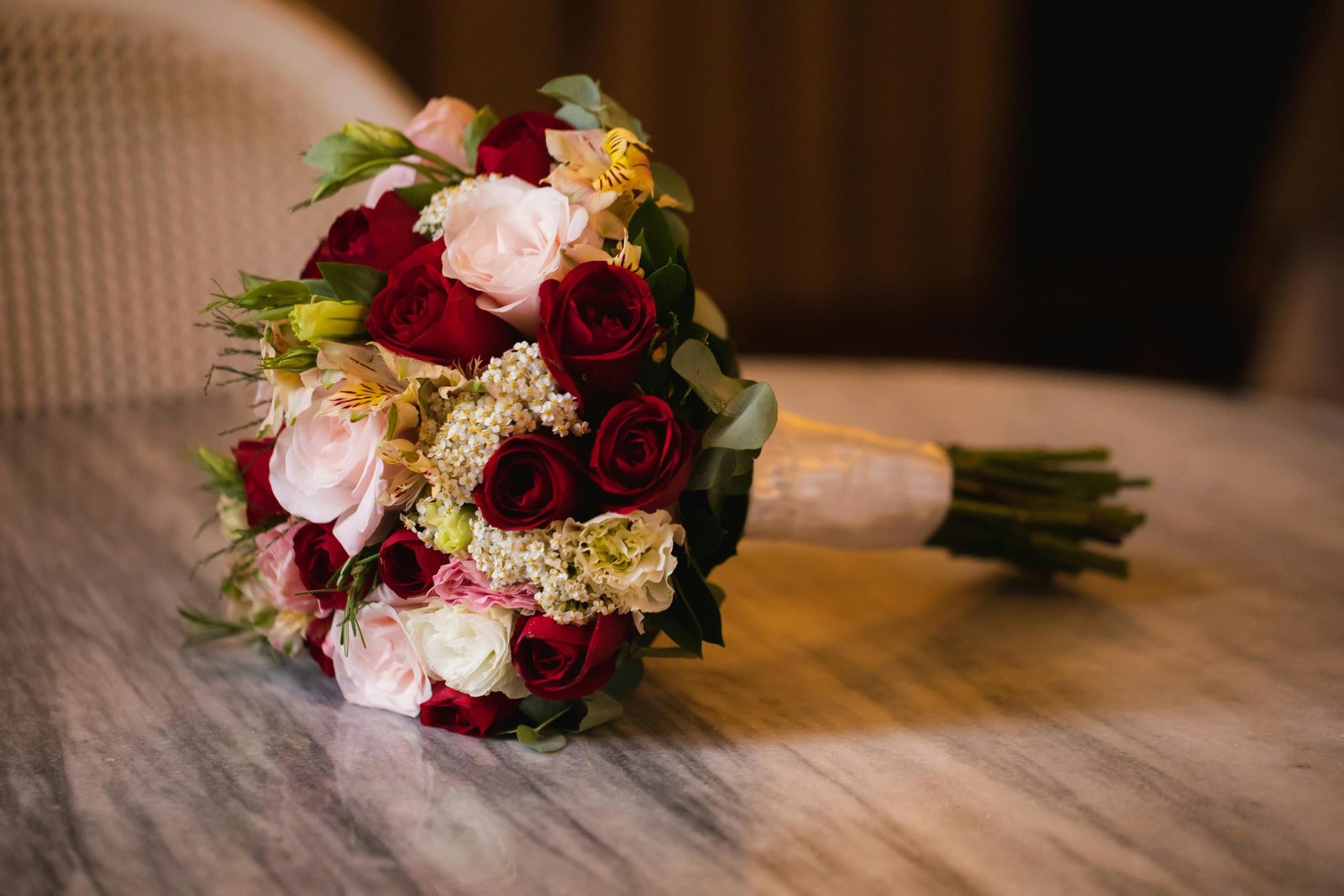
Enhancing Workplace Mood and Morale
Fresh flower in the office increase creativity, reduce tension, and improve team morale.
The Role of Floral Decor in Reducing Burnout
Desk plants and floral arrangements add life to sterile environments and act as micro-breaks for the brain.
Sustainability in Floral Gifting
Eco-Friendly Flower Choices
Opt for locally-grown, seasonal blooms to reduce your carbon footprint.
Reusable Flower Vases and Packaging
Choose gifts with recyclable packaging or reusable pots—kind on the soul and the planet.
Conclusion
Blooms are more than just pretty petals—they’re powerful tools for mental, emotional, and even physical wellness. Whether you’re gifting them to others or enjoying them yourself, floral gifts bring nature’s gentle touch into our lives. So next time you’re feeling low, remember: a bouquet might just be the best medicine.
FAQs
1. Can flower really help with depression or anxiety?
Yes! Studies show that flower improve mood, reduce anxiety, and increase feelings of happiness.
2. What are the best flower to give for emotional support?
Lavender, jasmine, roses, and lilies are excellent choices for emotional support and healing.
3. Are there flower that help improve focus at work?
Yes, orchids, peace lilies, and even bright daisies can improve concentration and productivity.
4. How long do the wellness effects of flowers last?
While the visual and scent benefits are strongest within days, the emotional uplift can last for weeks.
5. Is flower therapy scientifically proven?
While it’s a holistic practice with some anecdotal and emerging scientific support, many people report real benefits from flower essence therapy.